
Choosing the 10 Best Shock Absorber Manufacturers Worldwide requires more than comparing brand recognition. A reliable ranking must examine damping consistency, piston design, corrosion resistance, warranty support, testing standards, and real-world durability. A shock absorber sits behind the wheel, yet its influence reaches braking distance, steering control, tire wear, and passenger comfort.
Market data shows why this category deserves careful evaluation. Fortune Business Insights estimates that the global automotive shock absorber market will continue expanding through 2030, supported by rising vehicle production, replacement demand, and stricter safety expectations. Grand View Research also identifies suspension technology as a major automotive component segment, with aftermarket sales remaining important as vehicles age. These reports use different market definitions, so their figures should not be treated as perfectly interchangeable.
Suspension engineer John C. Dixon writes, “The primary function of suspension is to maintain tire contact with the road.” That principle guides this comparison. The best manufacturers should control wheel movement without making every pothole feel like a hammer strike. They should also deliver consistent performance after thousands of heat cycles, not only during a showroom demonstration.
This ranking considers established global suppliers, specialist performance brands, and strong aftermarket producers. It reviews engineering depth, product coverage, independent test evidence, and user-service experience. Some conclusions remain debatable. Road conditions vary sharply between Germany, India, Australia, and North America. A perfect universal ranking may not exist. Still, the following manufacturers offer the clearest combination of technical credibility, measurable performance, and dependable support for modern vehicles.
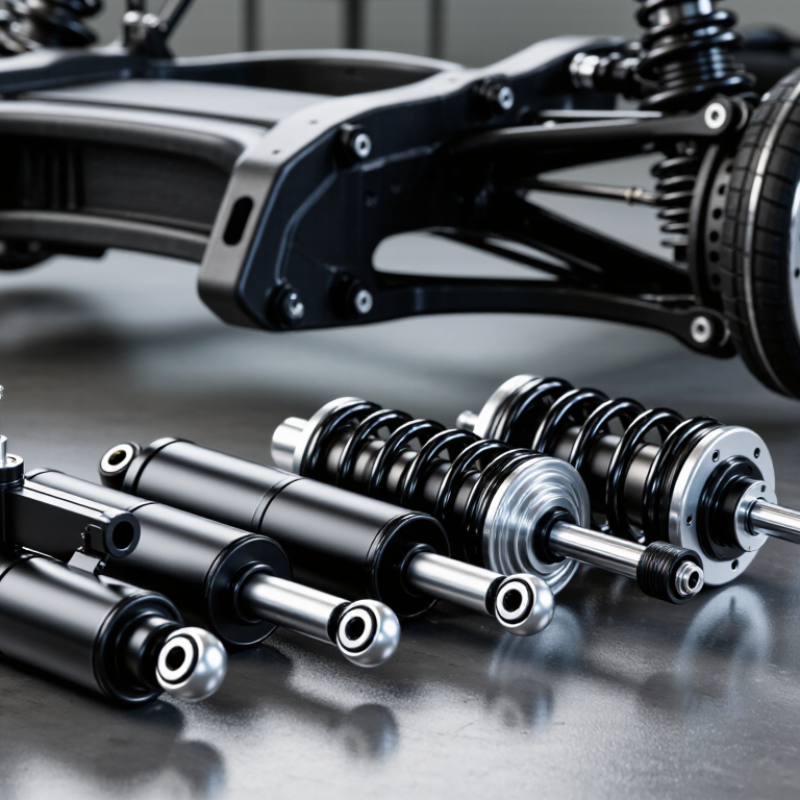
A leading shock absorber manufacturer combines field experience with disciplined engineering. Its products should perform on city streets, rough highways, and uneven construction routes. Engineers study rebound, compression, heat buildup, and vibration under changing loads. Small details matter.
Reliable development begins with realistic testing. A serious factory may use dynamometer testing, road trials, salt-spray exposure, and temperature cycling. These tests reveal seal wear, oil foaming, piston-rod damage, and inconsistent damping. Measurements should be traceable to calibrated equipment. Independent validation adds credibility, especially when laboratory results match driver feedback.
Manufacturing consistency also defines leadership. Each critical component needs documented tolerances, material checks, and inspection points. Weld quality, surface finishing, and internal cleanliness can affect service life more than attractive packaging. Clear batch records help identify problems before products reach customers. A dependable supplier also provides fitment data, installation guidance, warranty terms, and responsive technical support.
No factory is flawless. Even a strong manufacturer may face failures when vehicles operate beyond tested loads or neglected maintenance. The honest response is careful investigation, not defensive marketing. Engineers should review returned parts, compare failure patterns, and improve designs when evidence demands it. A leading manufacturer earns trust through repeatable performance, transparent testing, and a willingness to correct its own assumptions.
Evaluating shock absorber manufacturers worldwide requires more than comparing catalog prices. Buyers examine engineering experience, production consistency, and documented test results. A reliable manufacturer should explain how its dampers control compression and rebound under different loads. Test data should cover temperature changes, road vibration, salt spray, and long-distance cycling. Real evidence matters.
Independent laboratories and recognized quality systems add credibility, but certificates alone cannot prove product performance. Auditors may inspect material records, machining accuracy, welding quality, and final assembly controls. Traceability is essential. Each batch should connect to inspection reports and production dates. A serious supplier also provides clear fitment data for vehicle type, axle load, suspension design, and operating environment.
Field performance often reveals what laboratory testing misses. Evaluators may review warranty claims, fleet maintenance records, and failure patterns from hot, cold, wet, and dusty regions. Response speed matters when a technical problem occurs. So does the availability of replacement parts and installation guidance. Some manufacturers communicate well but offer limited independent evidence. Others publish impressive figures without explaining testing conditions. That weakness deserves attention. No ranking is absolute. A fair assessment balances durability, safety, engineering support, transparent documentation, and total operating cost. Small details can decide the result, such as a loose bushing, inconsistent coating thickness, or unclear installation torque. Manufacturers should keep improving, because road conditions and vehicle demands rarely remain predictable.
The strongest global manufacturers compete through different technical advantages. An established Japanese supplier is known for precise twin-tube designs and consistent original-equipment quality. A German engineering group focuses on electronically controlled dampers and rapid response tuning. A North American producer emphasizes heavy-duty durability for trucks and commercial fleets. One European specialist is recognized for motorsport-derived valve technology. Another excels in air suspension integration and electronically adjustable systems. A Korean manufacturer combines competitive pricing with high-volume production. A Chinese supplier is expanding through automated factories and broad aftermarket coverage. An Indian producer targets cost-sensitive vehicles and uneven road conditions. A Scandinavian company prioritizes corrosion resistance for cold climates. A smaller Italian specialist develops performance dampers for modified and premium vehicles.
Market demand supports this competition. Grand View Research estimated the global automotive shock absorber market at approximately 16.4 billion dollars in 2023. Its forecast indicates continued growth through 2030, driven by vehicle production, safety expectations, and electronic suspension adoption.
MarketsandMarkets also identifies adaptive damping as a notable growth area, especially in passenger vehicles.
Field experience shows that laboratory figures cannot tell the whole story. Seal wear, road salt, temperature swings, and poor installation often change real performance. Independent testing should examine fade resistance, piston speed, leakage, and stopping stability. The best manufacturer depends on the application, not reputation alone. Some suppliers still provide limited lifecycle data. That deserves scrutiny.
The ten best shock absorber manufacturers serve markets far beyond passenger cars. Their products reach Europe, North America, Asia, Africa, and Latin America. Each region demands different tuning for roads, climates, and driving habits.
Passenger vehicles remain the largest application. Manufacturers supply twin-tube and monotube designs for sedans, hatchbacks, sport utility vehicles, and light vans. Heavy-duty ranges support pickups, buses, trucks, trailers, and construction fleets.
Some suppliers also develop suspension units for motorcycles and electric vehicles. Electric vehicles create extra demands. Battery weight can increase body movement and tire load.
Original equipment programs usually require precise damping, corrosion testing, and long service intervals. Aftermarket products focus more on compatibility, ride comfort, towing strength, or improved handling.
In my experience, fleet workshops value consistent performance more than aggressive marketing claims. They inspect leakage, rebound control, mounting wear, and noise during routine service. Small details matter.
Global testing is rarely simple. A damper that works well on smooth European roads may feel harsh on rough tropical routes. Temperature, dust, payload, and road damage can change results. Laboratory data helps, but field testing reveals weaknesses. Some performance comparisons also lack identical tires, loads, or driving routes. That makes firm rankings difficult. A careful buyer should check application data, warranty terms, replacement support, and verified fitment before choosing a supplier.
Choosing a shock absorber manufacturer starts with your vehicle’s real operating conditions, not a glossy catalog.
A delivery van carrying 1,200 kilograms needs different damping from a light passenger car. In workshop inspections, I check piston-rod tolerances, seal materials, and cold-temperature performance. Small details become loud knocks on rough roads. They matter.
The 2024 Fortune Business Insights report valued the global automotive shock absorber market at
USD 14.74 billion
in 2023. It projects growth through 2032, increasing supplier choices and quality differences.
Ask for IATF 16949 certification, batch traceability, and laboratory evidence. Request durability testing, salt-spray results, and damping-force curves. These records reveal more than promotional claims. Check whether testing matches your axle load, speed range, and climate.
Review field failure rates, warranty handling, lead times, and engineering support. Ask for samples from normal production, not selected units. Compare force-velocity graphs at different temperatures.
A manufacturer explaining deviations often deserves more trust than one promising perfect results. I have learned that the cheapest quotation can hide expensive tuning work. That assumption can be wrong, too.
Premium documentation does not always guarantee stronger performance. Request independent validation when safety margins are critical. Inspect packaging and torque instructions carefully; damaged threads can undermine a sound damper.
Buyers compare engineering experience, production consistency, test evidence, and technical support. Catalog price alone is not enough. Real evidence matters.
Testing should cover temperature changes, road vibration, salt spray, leakage, and long-distance cycling. Piston speed and stopping stability also matter.
Traceability links each batch to inspection records and production dates. It helps investigators identify material or assembly problems quickly.
No. Certificates support credibility, but they cannot replace performance testing. Auditors may miss problems appearing during long-term road use.
Suppliers should explain vehicle type, axle load, suspension design, and operating environment. Installation torque should be clear. Small details matter.
Road salt, dust, heat, cold, and poor installation can accelerate seal wear. Laboratory figures may not show every real-world weakness.
They should examine warranty claims, fleet maintenance records, replacement parts, and technical response times. Failure patterns can reveal hidden problems.
Not always. They may improve response and comfort, but buyers should consider complexity, service needs, and total operating cost.
Lower pricing may hide weaker coatings, inconsistent machining, or limited lifecycle data. A cheaper part can create higher maintenance costs later.
No ranking is absolute. Application, climate, vehicle load, and installation quality can change the result. A fair assessment remains partly uncertain.
Choosing the right Shock Absorber manufacturer requires more than comparing prices. Leading manufacturers are defined by engineering expertise, consistent product quality, advanced testing, reliable materials, and the ability to meet different vehicle requirements. Worldwide evaluation commonly considers durability, ride comfort, safety performance, production capacity, quality control, technical support, delivery reliability, and compliance with recognized industry standards. The strongest manufacturers typically serve multiple markets, including passenger cars, commercial vehicles, off-road equipment, and specialized transportation applications.
This overview introduces ten highly regarded types of manufacturers according to their key strengths, such as innovation, customization, large-scale production, or dependable aftermarket supply, without focusing on individual brand names. It also explains how market conditions and vehicle applications influence product selection. To choose the right supplier, buyers should assess operating conditions, vehicle type, expected service life, performance requirements, budget, warranty support, and communication capabilities. A careful comparison of these factors can help ensure a suitable balance between comfort, stability, safety, and long-term value.
