
High-Efficiency Rubber & Elastomeric Isolators
Direct-from-factory elastomeric mounts, neoprene vibration pads, and specialized isolation bases manufactured to rigorous ISO 9001 standards.

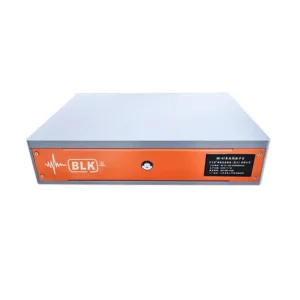

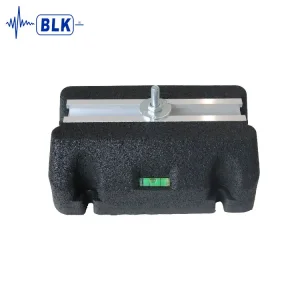
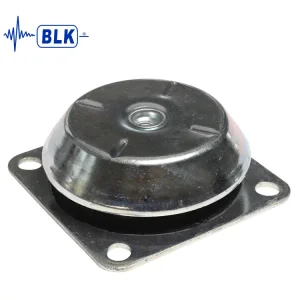



Fundamentals of Neoprene Anti-Vibration Pad Isolation
Why Polychloroprene (Neoprene) remains the premier elastomeric polymer for high-load industrial dampening.
In modern industrial facilities, structural vibration transmitted by heavy rotating machinery, HVAC chillers, transformers, and stamping presses creates high structural stress, acoustic fatigue, and operational inaccuracy. Selecting a competitive, highly reliable elastomeric pad requires balancing material chemistry, dynamic stiffness, static deflection, and long-term creep resistance.
Neoprene (Polychloroprene) occupies a unique position in vibration isolation engineering. Compared to standard natural rubber, neoprene provides superior resistance to petroleum-based oils, ozone degradation, thermal weathering, and permanent compression set. When formatted into ribbed, cross-hatched, or steel-laminated pad geometry, neoprene dissipates kinetic energy through mechanical hysteresis, converting unwanted vibrational kinetic energy into benign thermal energy.
Sizing Framework & Pricing Drivers for Procurement Teams
A structured engineering breakdown for purchasing agents and plant engineers evaluating neoprene isolation costs.
Durometer Hardness Selection
Neoprene anti-vibration pads are manufactured in durometer ratings ranging from 45 Shore A to 70 Shore A. Softer durometers (45-50) offer higher static deflection for lighter equipment, while firm durometers (65-70) support heavy foundation loads up to 100 PSI (0.7 N/mm²) without premature tearing.
Pricing & Cost Efficiency Drivers
Direct factory purchasing eliminates distribution markups of 35-50%. Bulk raw material compounding, automated continuous vulcanization, and standardized die-cutting allow manufacturers to offer competitive low-price points without degrading virgin neoprene polymer ratios.
Lamination & Steel Insert Variations
For multi-tier isolation, neoprene pads are bonded with steel shims (sandwich pads). This prevents lateral bulge under heavy vertical vectors, preserving pad height and extending structural damping efficiency in severe-duty environments.
| Pad Grade & Type | Durometer (Shore A) | Max Load (PSI) | Natural Freq. (Hz) | Primary Industrial Application |
|---|---|---|---|---|
| Standard Ribbed Neoprene | 50 ± 5 | 50 PSI | 8 - 12 Hz | Small Compressors, Pumps, Air Handling Units |
| Cross-Cut Waffle Pad | 60 ± 5 | 60 PSI | 7 - 10 Hz | HVAC Chillers, Gensets, Transformers |
| Steel-Interleaved Sandwich | 65 ± 5 | 120 PSI | 6 - 9 Hz | Heavy Stamping Presses, Heavy Industrial Drives |
| Cork-Neoprene Composite | 70 ± 5 | 100 PSI | 9 - 14 Hz | High Acoustic Attenuation, Precision Instruments |
Macro-Industry Solutions & System Integration
Tailored vibration isolation strategies engineered across major industrial sectors.
1. HVAC & Building Mechanical Systems
Rooftop chillers, cooling towers, and large air handling units generate continuous low-frequency structure-borne noise. Placing high-performance neoprene anti-vibration pads under equipment skids prevents vibration from penetrating structural slabs, meeting strict ASHRAE acoustic criteria.
2. Power Distribution & Transformers
Electrical transformers emit a constant 100Hz/120Hz magnetostrictive hum. Bellking's custom-compounded transformer anti-vibration mounts isolate core vibration, protecting structural foundations and surrounding electronic control rooms from harmonic resonance.
3. Semiconductor Metrology & Cleanrooms
Sub-micron lithography tools and optical inspection stations demand zero micro-vibration interference. Passive neoprene pads paired with precision pneumatic isolation platforms decouple high-frequency floor vibrations in semiconductor fabrication plants.
4. Heavy Industrial Presses & Machine Tools
Heavy forging presses and punch machines output severe impact shock forces up to 3G to 5G. Specially engineered composite neoprene mounts absorb sudden mechanical forces, preventing floor cracking and operational misalignment.
Next-Generation Elastomer Damping Innovations
Advanced material formulations and intelligent isolation systems driving future growth.
The global industrial landscape requires anti-vibration equipment to perform reliably under harsher chemical exposures, wider temperature swings, and stricter environmental regulations. Bellking's engineering laboratory leads material research in several key areas:
- Nano-Reinforced Neoprene Composites: Incorporating carbon nanotubes and graphene nanoplatelets into neoprene matrices enhances dynamic shear modulus while reducing weight by 25%.
- Eco-Friendly Non-Aromatic Curing Agents: Transitioning away from traditional vulcanization accelerators to zero-VOC, heavy-metal-free organic curing systems, fulfilling global REACH and RoHS 3 requirements.
- Phase-Change Damping Integration: Combining elastomeric pads with micro-encapsulated phase-change polymers to maintain constant dynamic stiffness across extreme operating temperatures (-40°C to +120°C).
- Smart Sensor-Embedded Pads (IoT): Embedding micro-piezoelectric sensors inside neoprene pads to deliver real-time load distribution, thermal degradation monitoring, and predictive maintenance alerts.
China Industry 4.0 Factory: Supply Chain Resilience & Efficiency
Located in Kunshan, China, Bellking operates a state-of-the-art production ecosystem for international buyers.
Automated Vulcanization & CNC Die-Cutting
Our 2,000 m² modern production facility features automated compression molding presses and robotic trimming systems, ensuring uniform durometer density and dimensional tolerance across 100,000+ units annually.
Direct-From-Manufacturer Low Price Structure
By controlling raw polymer compounding, mold design, and metal stamping under one roof, Bellking eliminates middleman distributor markups, supplying international EPC contractors with direct factory-tier pricing.
Rigorous In-House Quality Assurance
Every batch undergoes tension-compression fatigue testing, durometer verification, and 900-hour Dacromet salt spray testing for metal components, guaranteeing 100% compliance prior to container shipment.
Localization Support & Regulatory Compliance
Fulfilling regional building codes, environmental directives, and technical documentation standards.
Bellking provides extensive compliance and technical documentation for global engineering projects, including:
- ISO 9001:2015 & ISO 14001 Certification: Certified quality management systems guaranteeing batch-to-batch consistency and environmentally responsible manufacturing.
- ASTM D2000 Material Specifications: Standardized rubber classification ensuring precise durometer, tensile strength, and elongation performance under international testing guidelines.
- RoHS 3 & REACH SVHC Compliance: Chemical testing reports verifying freedom from restricted heavy metals, phthalates, and hazardous aromatic compounds.
- 24-Hour Custom Engineering Support: Engineering plans, load-deflection calculations, and CAD/BIM models delivered within 24 hours to support fast procurement cycles.
Complete Vibration Control & Air Mount Catalog
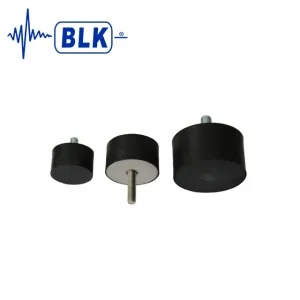
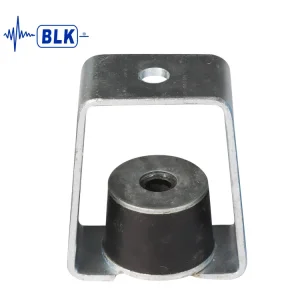
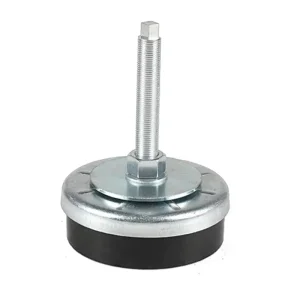
Browse our full range of pneumatic air mounts, multi-layer dampers, inertia pump supports, and rubber hangers.
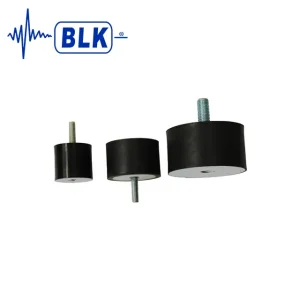
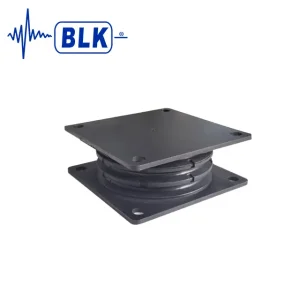
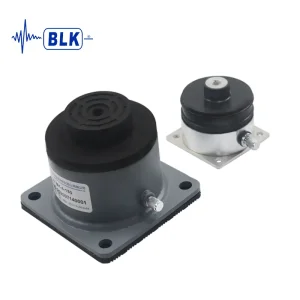
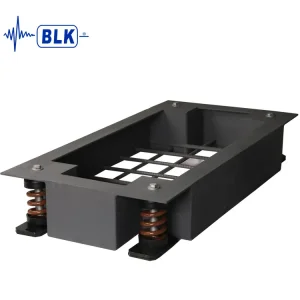
High-Quality CPB type Inertia Bases & Pump Supports Manufacturers, Manufacturer
View Product Details →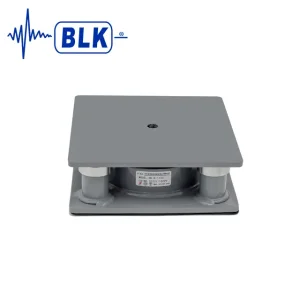
Frequently Asked Questions on Neoprene Isolation Pads
Technical guidance from Bellking application engineers.
How does Neoprene compare to Natural Rubber for anti-vibration applications?
While Natural Rubber offers high resilience, Neoprene (Polychloroprene) excels in environments exposed to oils, ozone, sunlight, and elevated temperatures. Neoprene maintains its mechanical damping properties over a longer service life without undergoing rapid hardening or cracking under harsh industrial atmospheric conditions.
What minimum disturbance frequency is required to achieve effective isolation with pads?
Isolation occurs when the disturbing frequency ($f_d$) of equipment is at least $\sqrt{2}$ times the natural frequency ($f_n$) of the isolator pad. For optimal performance (>90% efficiency), the ratio $f_d / f_n$ should be 3 or higher. Standard neoprene pads are ideal for equipment operating at 1,200 RPM (20 Hz) or higher.
What parameters are required to obtain a custom sizing quotation?
Please provide total operating weight, center of gravity location, number of mounting points, operating speed (RPM), and site environmental details (e.g., oil exposure, indoor vs outdoor). Bellking engineers calculate static deflection requirements and return an optimized proposal within 24 hours.
Why choose low-price neoprene anti-vibration pads from Bellking?
Bellking's low prices stem from localized supply chain efficiency, automated high-volume continuous molding in Kunshan, and direct factory sales. We deliver certified virgin neoprene formulations that meet ASTM D2000 specifications without cost-cutting additives or recycled fillers.