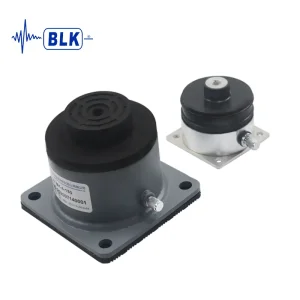
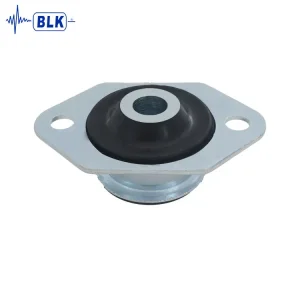
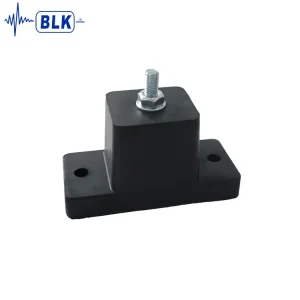
High-Efficiency Structural Vibration Isolation Mounts
Direct manufacturer supply of engineered spring, rubber, pneumatic, and polymer dampeners tailored for textile machinery loads and high disturbing frequencies.





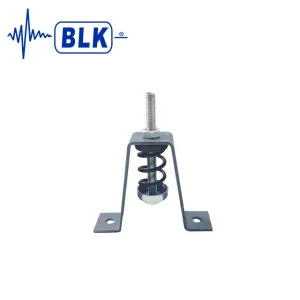


The Dynamics of Textile Machinery Isolation & Industrial Solutions
Why modern high-speed textile manufacturing requires specialized vibration control engineering to maintain stitch precision, reduce floor structural fatigue, and extend equipment lifespans.
Senior Engineering Director Insight (ISO 9001 Certified Manufacturing)
Textile plants running modern air-jet looms (>1200 PPM) or ring spinning frames experience extreme dynamic forces. Standard off-the-shelf rubber pads frequently experience elastomer degradation under oil exposure and cyclic shear fatigue, causing floor resonance. High-gain isolation requires calculated static deflection and precise dampening coefficients.
Mitigating Shock During High-Speed Shedding
High-speed rapier and air-jet looms generate repetitive reciprocating inertia forces. Uncontrolled vibration transmits into building structures, causing micro-shifts in warp tension and fabric defects.
- Eliminates fabric structural lines and warp breakage.
- Protects sensitive electronic dobby and jacquard heads.
- Reduces floor dynamic load amplification by up to 92%.
Acoustic Attenuation & Noise Abatement
Textile weaving mills often exceed 90 dB(A) sound pressure levels. A major component of ambient noise is structure-borne sound radiated by floor slab excitation.
- Achieves compliance with global worker safety standards (OSHA/ISO).
- Isolates low-frequency structural hums below 15 Hz.
- Dampens high-frequency harmonic reverberations.
Structural Safety for Multi-Story Mills
Modern industrial land scarcity requires multi-floor textile plants. Operating heavy twisting machines or carding engines on upper concrete decks without isolators risks structural fatigue.
- Distributes static load evenly across structural beams.
- Prevents concrete cracking and rebar structural shear.
- Allows high-density equipment placement on upper floors.
Global Commercial Status, Pricing Drivers & Cost Optimization
A comprehensive breakdown of manufacturing cost structures, regional market dynamics, and procurement strategies to obtain low-price, high-durability textile machinery mounts without compromising performance.
Understanding Price vs. Performance in Textile Machine Isolation
The total cost of ownership (TCO) of a textile machinery isolator extends beyond the initial purchase price. Cheap, unengineered rubber pads lose elasticity within 12 months, leading to machine misalignment, uneven yarn tension, and catastrophic bearing failure. Direct factory procurement of ISO-certified polymer and spring isolators yields up to a 40% initial cost saving while delivering a 15-year operational lifespan.
| Isolator Family Type | Suitable Textile Machinery | Natural Frequency Range | Corrosion Protection | Unit Cost Tier (USD) | Expected Lifespan |
|---|---|---|---|---|---|
| BK-PM Polymer Pads | Ring Spinning, Twisters, Winding Machines | 8.0 Hz – 12.0 Hz | Chemical & Oil Resistant Vulcanized Polymer | $5.00 – $18.00 | 8 – 10 Years |
| MA / MC Spring Mounts | Air-Jet Looms, Water-Jet Looms, Rapier Looms | 3.0 Hz – 5.0 Hz | 900-Hour Salt Spray Dacromet Coating | $22.00 – $55.00 | 15+ Years |
| BK-DSR Damped Rubber | Carding Machines, Combers, Draw Frames | 6.0 Hz – 9.0 Hz | Heavy-Duty Galvanized Steel + Neoprene Base | $14.00 – $38.00 | 10 – 12 Years |
| BK-PF Precision Air Mounts | Ultra-Fine Textile Metrology & Lab Inspection | 1.7 Hz – 2.5 Hz | Anodized High-Strength Aluminum Alloy | $120.00 – $350.00 | 6 – 8 Years |
| CPB / Inertia Base Units | Industrial Heavy Dyeing Vats, Stenter Frames | 2.5 Hz – 4.5 Hz | Epoxy Powder Coated Steel Frame Base | Custom Engineering | 20+ Years |
Key Factors Influencing Textile Mount Pricing:
When sourcing textile machinery vibration dampeners, several engineering factors directly govern cost efficiency:
- Elastomer Formulation: High-density nitrile rubber (NBR) and specialized polyurethane blends resist machine oils, lubricants, and high humidity in dyehouses, commanding a slight premium over basic natural rubber but preventing rapid degradation.
- Spring Metallurgy: High-tensile alloy steel (such as 60Si2Mn) undergoes shot peening and specialized heat treatment to ensure fatigue resistance over millions of dynamic cycles.
- Surface Treatment Technology: Standard paint flakes under industrial washing and chemical exposure. Bellking's Dacromet coating withstands 900 hours of salt spray testing, protecting capital investments in harsh environments.
Localized Application Scenarios in Textile Manufacturing
Engineered isolation strategies tailored for specific production floors, equipment dynamics, and regional environmental standards.
High-Speed Air-Jet & Rapier Weaving Sheds
Weaving machines generate intense horizontal beat-up forces during reed movement. Specialized low-profile spring mounts with internal viscous dampeners prevent lateral sway while isolating vertical shock pulse loads.
Cotton Spinning & Ring Frame Lines
Ring spinning frames operate continuously at high RPMs. Uniform dynamic dampening across long machine lengths prevents frame twisting, reducing yarn tension fluctuations and thread breakage rates.
Dyeing & Wet Processing Facilities
Dye vats, centrifuges, and stenter machines operate under high humidity and chemical exposure. Multi-layer polymer pads with stainless steel hardware eliminate chemical corrosion and structural vibration.
Technical Roadmap: Next-Generation Smart Vibration Control
How Bellking is integrating sensor networks, smart polymers, and active pneumatic feedback into future textile mill architecture.
1. IoT-Enabled Vibration Monitoring
Future Bellking isolator mounts feature integrated micro-piezoelectric sensors. These send real-time vibration amplitude data directly to the mill central management software, alerting engineers to bearing wear or machine imbalance before quality drops occur.
2. Eco-Friendly Bio-Polymer Dampeners
In response to global sustainability directives (REACH/RoHS), our material science team is developing renewable synthetic elastomers that deliver equivalent damping ratios ($\zeta \ge 0.08$) with 40% lower carbon footprint during manufacturing.
Frequently Asked Questions (FAQ) for Textile Engineers
Direct technical answers addressing installation calculation, selection criteria, and maintenance practices.
How do I calculate the correct isolator load rating for an Air-Jet Loom?
Why is spring natural frequency ($f_n$) critical for textile machinery?
What is the advantage of Dacromet coating over traditional painting or galvanized zinc?
Can rubber vibration pads replace spring isolators on spinning frames?
What lead time and custom sizing options does Bellking offer?
Precision Vibration Isolation & Specialized Hardware
Explore specialized air mounts, precision platforms, and industrial rubber pads for high-accuracy textile laboratory inspection and heavy equipment foundation dampening.