
Direct factory manufacturing series engineered for low-frequency attenuation, heavy load support, and zero-downtime operation in harsh climate installations.


As global power grids shift toward distributed green energy generation, mechanical reliability and acoustic control have become major design challenges for clean energy OEMs and engineering contractors.
The rapid deployment of high-capacity wind turbines (both onshore and offshore), utility-scale battery energy storage systems (BESS), green hydrogen electrolyzer plants, and geothermal power installations has expanded the operational stress placed on rotating machinery and power conversion units. Dynamic harmonic vibrations, if unmitigated, induce premature structural fatigue, micro-cracking in electrical connections, acoustic pollution, and costly unexpected outages.
Custom renewable energy equipment vibration isolators serve as the dynamic barrier between severe vibrational source excitation and foundational support structures. Unlike off-the-shelf commercial HVAC rubber pads, specialized clean energy isolators are custom-engineered to handle complex multi-axis dynamic loads, low natural frequency isolation thresholds (1.5 Hz to 5.0 Hz), dynamic stiffness nonlinearities, and extreme environmental exposure ranging from arctic cold snaps to C5-M offshore marine salt spray environments.
Wind Turbine Nacelles & Drivetrains
Mitigating gearbox harmonic meshing frequencies and high-torque generator vibrations. Our custom elastomer and viscous damped spring mounts isolate low-frequency pitching moments, protecting turbine nacelles and yaw systems from dynamic structural fatigue.
BESS Energy Storage Inverters & HVAC
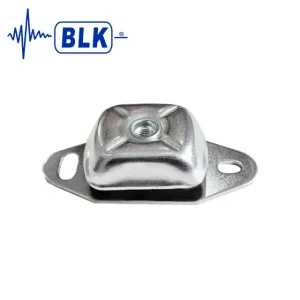
Utility-scale containerized battery storage relies on high-efficiency liquid chillers and power conversion system (PCS) transformers. Our compact cone mounts and multi-layer dampers eliminate structure-borne hum and pump vibration to guarantee 25+ year battery rack stability.
Green Hydrogen Compression Plants
High-pressure reciprocating hydrogen compressors create massive low-frequency shock loads and severe pressure pulsation resonance. Custom heavy-duty spring vibration isolators absorb dynamic peak forces exceeding 100 kN while preventing pipe weld failure.
Evaluating the economic impact of dynamic isolation engineering on clean energy Levelized Cost of Energy (LCOE) and total plant life cycle asset management.
In the competitive renewable energy sector, equipment failure and unmanaged micro-vibrations directly erode project internal rate of return (IRR). Component wear caused by unisolated dynamic forces leads to premature bearing failure, insulation degradation in step-up transformers, structural bolt loosening in solar tracking torque tubes, and acoustic non-compliance near residential zones.
From a global commercial perspective, top-tier engineering, procurement, and construction (EPC) firms now mandate specialized vibration isolation profiles during the front-end engineering design (FEED) stage. Factory-direct customization eliminates retrofitting expenses—which can cost up to 800% more than OEM-integrated isolation solutions installed during initial assembly.
SEO & Industry Gain Insight: According to global renewable reliability data, structural vibration and dynamic dynamic torque imbalance account for over 32% of premature mechanical failures in offshore wind gearboxes and containerized BESS liquid-cooling pump systems. High-performance custom isolation isolators extend component mean time between failures (MTBF) by an average of 4.2 years.
Furthermore, environmental, social, and governance (ESG) regulations across North America, the European Union, and Asia-Pacific enforce low noise emitted by urban clean energy assets. Substation dry-type transformers and rooftop solar inverter plants must comply with strict ambient sound levels (e.g., DIN 4150-3 structural vibration standards and local noise abatement laws). Utilizing engineered rubber cone mounts and multi-layer dampers ensures low acoustic emissions while stabilizing critical equipment against seismic and aerodynamic shear stresses.
An engineering deep-dive into mechanical vibration isolation theory, dynamic stiffness calculations, and elastomeric compound formulation.
Vibration isolation relies on creating a resilient dynamic system where the natural frequency ($f_n$) of the isolator is significantly lower than the forcing frequency ($f_d$) generated by the operating machine. The system transmissibility ($T$) is governed by the classical equation:
Where r = fd / fn represents the frequency ratio and ζ is the damping ratio of the elastomeric or viscous damping matrix. Isolation only begins when r > √2. To achieve high isolation efficiency (>90% to 99%), custom isolators are engineered to maintain an r ratio between 3.0 and 6.0 while preventing resonance amplification during startup and shutdown transient phases.
1. Elastomeric Formulation & High-Damping Vulcanization
Generic commercial mounts utilize basic natural rubber compounds prone to thermal degradation, chemical swelling from hydraulic oils, and high-frequency wave-effect resonances. Our specialized renewable energy isolators employ customized polymer blends including nitrile butadiene rubber (NBR), ethylene propylene diene monomer (EPDM), fluorocarbon elastomers (FKM), and high-damping natural rubber (HDNR) compounds. By incorporating specialized carbon black reinforcing agents and anti-ozonants, our isolators resist UV weathering, ozone attack, and extreme thermal cycling (-40°C to +120°C).
2. Multi-Layer Viscous Damping Integration
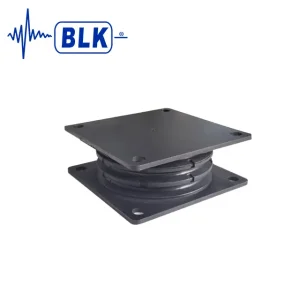
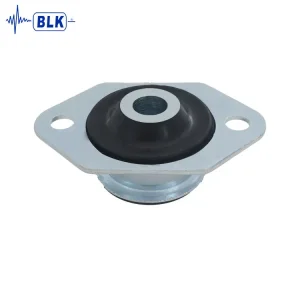
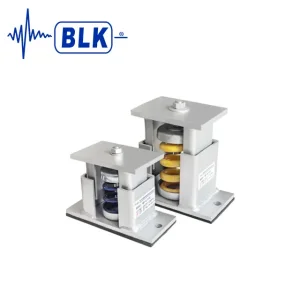
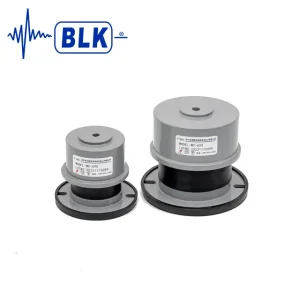
For heavy dynamic shock loads—such as wind turbine emergency braking or hydrogen compressor pulse cycles—pure elastic spring isolators can experience excessive dynamic deflection. Integrating secondary multi-layer viscous damping units (as seen in our custom BKSWA series) provides controlled dissipation of dynamic energy, keeping total displacement within tight structural tolerances while maintaining low static deflection.
3. Finite Element Analysis (FEA) & Dynamic Stiffness Testing
Every custom isolator design undergoes rigorous 3D Finite Element Analysis (FEA) to verify stress distribution, shear strain limits, and bonded interface integrity under combined axial, transverse, and dynamic shear loads. Dynamic stiffness ($K_d$) and loss factor ($\eta$) testing are validated using calibrated electro-hydraulic servo-testing rigs up to 500 Hz.
Examine how custom vibration mounts adapt to specific environmental stresses, geographic installation requirements, and operational conditions worldwide.
Offshore Floating Wind Platforms
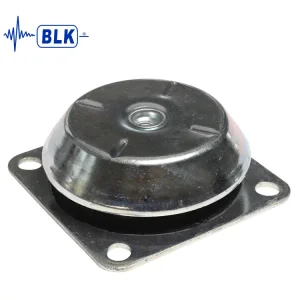
Subject to wave action, corrosive salt spray, and extreme multi-axis wind turbulence. Heavy-duty cone mounts with integrated rebound stops prevent over-deflection, preventing nacelle drivetrain misalignment during severe ocean storms.
High-Altitude Desert Solar Farms
High daytime solar irradiance combined with freezing desert nights requires isolator elastomers that resist thermal fatigue and UV degradation without suffering brittleness or dynamic stiffness hardening over 20-year lifespans.
Urban Rooftop Commercial Storage
Installing BESS liquid chillers and power inverters directly onto commercial building roofs demands zero structural vibration transmission. High-deflection spring isolators and rubber pads keep acoustic emissions well below municipal building codes.
Transparent cost structure analysis to help procurement managers balance initial component price against lifetime reliability and maintenance overhead.
When evaluating Custom Renewable Energy Equipment Vibration Isolator Price quotes, procurement engineers must look beyond the initial unit price and analyze component longevity, material selection, custom tooling costs, and quality assurance testing. Factory pricing varies significantly based on engineering complexity, load classification, and metal surface finish options.
Key Variables Driving Factory Unit Price:
- Polymer Material Grade: Standard commercial natural rubber (NR) offers the lowest price point, whereas specialized fluorocarbon (FKM), oil-resistant NBR, or specialized high-damping EPDM polymers increase raw material cost by 35% to 120% depending on compound specs.
- Metal Substrate & Surface Protection: Standard carbon steel with zinc plating is economical for indoor environments. Offshore wind or coastal BESS installations require high-tensile alloy steel treated with Dacromet coating or hot-dip galvanizing passing 900+ hour salt spray testing (ISO 9227).
- Tooling & Molding Customization: Non-standard geometric dimensions requiring custom compression or injection molds involve initial tooling charges ($1,500 – $6,000 one-time fee), which are amortized across larger production volume runs.
- Quality Assurance & Certification: Full traceability, batch vulcanization rheometer reports, dynamic stiffness servo-testing, and third-party inspection (DNV-GL, CE, ISO 9001) add minimal testing overhead while ensuring complete compliance.
| Isolator Category | Typical Load Capacity | Material & Finish | Estimated Factory Price Range (USD) | Primary Industrial Application |
|---|---|---|---|---|
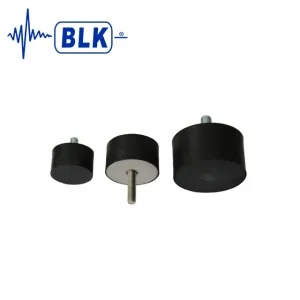
| BKVV / BKM Light Rubber Mounts | 10 kg – 350 kg | NR / EPDM + Zinc Carbon Steel | $2.50 – $12.00 / pc | Inverter cabinets, small fans, control boxes |
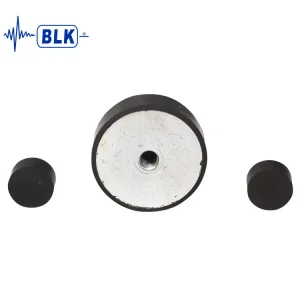
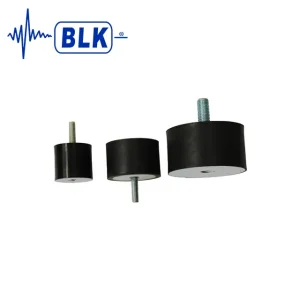
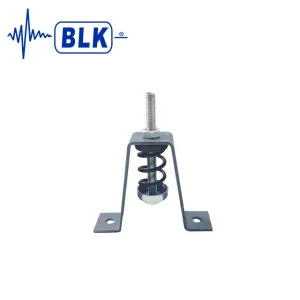
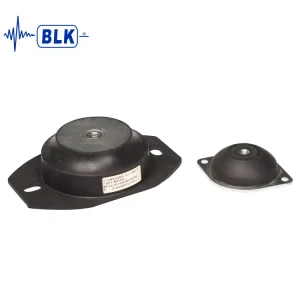
| BKH / BKHQ Cone Rubber Mounts | 150 kg – 2,500 kg | High-Damping NBR + Dacromet Finish | $14.00 – $48.00 / pc | BESS chillers, wind yaw motors, engines |
| BKSWA Multi-Layer Dampers | 500 kg – 8,000 kg | Multi-Layer Viscous + Alloy Steel | $65.00 – $220.00 / pc | Heavy generators, hydrogen compressors |
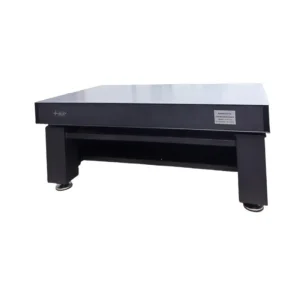
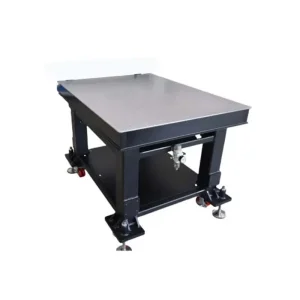
| BK-RT / BK-DT Damped Platforms | 200 kg – 5,000 kg | Precision Optical / Low-Frequency Air | $450.00 – $2,800.00 / unit | Precision test benches, sensor alignment |
Factory-direct technical support, rapid prototyping, and full compliance with global clean energy engineering codes.
To streamline international procurement, our factory operates a 24-hour engineering turnaround service. Customers supplying 3D STEP models, operating equipment weight, center of gravity (CoG), and motor operating RPM receive comprehensive dynamic calculations and tailored product recommendations within one business day.
3-Day Prototype Engineering
Rapid elastomeric compounding and CNC hardware prototyping allow custom sample delivery in as few as 3 working days, dramatically accelerating client FEED and field-validation schedules.
ISO 9001 & DNV Compliance
Manufacturing operates under rigorous ISO 9001 quality management system controls. Products meet IEC 61400-1 wind turbine structural standards and UL 9540A energy storage safety requirements.
Full Material Traceability
Every batch includes raw material heat numbers, tensile strength validation, durometer hardness testing (Shore A), and 900-hour salt spray corrosion test reports upon request.
Select the correct dynamic isolation technology based on operational frequency, load profile, and environmental exposure.
| Isolator Type | Natural Frequency (fn) | Isolation Efficiency Range | Damping Capability (ζ) | Resonance Amplification Peak | Best Applied Renewable Clean Energy System |
|---|---|---|---|---|---|
| Heavy-Duty Elastomeric Mounts | 7.0 Hz – 15.0 Hz | 85% – 94% | Medium (0.08 – 0.15) | Low (2.5x – 4x) | BESS chillers, solar tracker motors, electrical cabinets |
| Open Steel Spring Isolators | 3.0 Hz – 5.0 Hz | 92% – 98% | Low (0.01 – 0.03) | High (8x – 12x) | Constant RPM HVAC pumps, stationary transformers |
| Viscous Damped Spring Mounts | 2.5 Hz – 4.5 Hz | 94% – 99% | High (0.15 – 0.30) | Very Low (1.5x – 2.5x) | Wind turbine gearboxes, reciprocating H2 compressors |
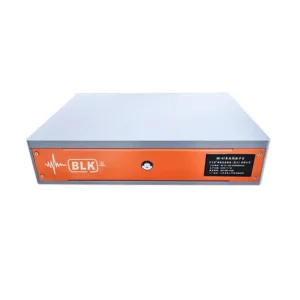
| Pneumatic Air Mount Platforms | 1.5 Hz – 2.5 Hz | 97% – 99.5% | Controlled Pneumatic | Negligible (<1.5x) | Precision optical testing, semiconductor laser alignment |
Direct answers to common questions asked by mechanical engineers, plant designers, and procurement managers.
Low-frequency optical platforms, high-damping spring mounts, and cone mounts tailored for precision testing, substations, and heavy rotating assets.
Request Custom Engineering Calculations & Factory Direct Pricing
Partner with our senior vibration engineering director to obtain a tailored dynamic isolation calculation sheet, CAD drawings, and volume production quotes within 24 hours.
Contact Engineering Sales Team