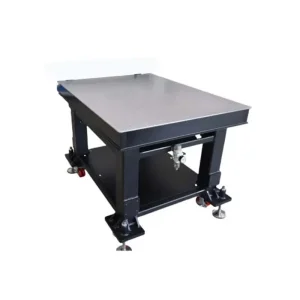
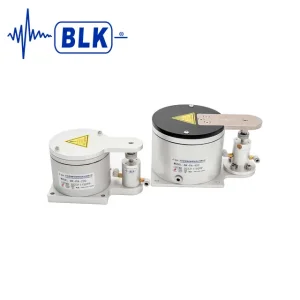
Standard & Heavy-Duty Compressor Mounting Systems
Engineered vibration damping solutions for rotary screw, reciprocating, scroll, and centrifugal air compression units.



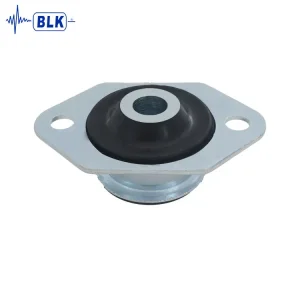



Engineering Fundamentals of Industrial Compressor Damping
Achieving acoustic compliance, equipment longevity, and sub-10% transmissibility without excessive capital outlay.
In modern industrial manufacturing, dynamic machinery such as screw compressors, heavy reciprocating compressors, and industrial chilling circuits generate dual-source energy spikes: low-frequency structure-borne vibration and high-frequency tactile flutter. When unattenuated, periodic oscillating forces transmit directly into the structural substructure, leading to slab micro-fracturing, premature bearing failure, and elevated ambient decibel levels violating strict OSHA and ISO 14001 regulations.
Fundamental Resonance Rule: Vibration attenuation initiates only when the disturbing frequency (fd) generated by the compressor motor's operational RPM exceeds √2 (≈1.414) times the mount’s natural frequency (fn). For engineered installations, top vibration specialists design for an fd / fn frequency ratio exceeding 3.0, driving vibration isolation rates past 92% into optimal performance thresholds.
B2B global buyers seeking "low price compressor mounting pads" must balance immediate acquisition expenses against total life-cycle cost (TCO). Sourcing lower-cost mounts does not require compromising fatigue resilience or elastomeric tensile stability. By taking advantage of high-tier production clusters in China with vertically integrated casting, specialized vulcanization molding, and computerized dynamic loading verification, original equipment manufacturers (OEMs) and engineering contractors can reduce procurement costs by 30% to 50% while exceeding international mechanical criteria.
Why Tier-1 Industrial Enterprises Source Compressor Mounts from China
The structural transformation from raw rubber compounding to precision-calibrated vibration equipment.
Vertical Supply Chain Synergy
China's comprehensive manufacturing clusters—particularly in the Yangtze River Delta—integrate premium spring-steel metallurgy (60Si2Mn), synthetic neoprene/NBR compounding, and high-precision CNC machining within an immediate radius. This condensed logistics cluster dramatically minimizes raw material handling overhead and reduces tooling iterations down to 72 hours.
Global Engineering Compliance
Leading Chinese manufacturers have transitioned from generic stamping shops into ISO 9001:2015 accredited facilities holding dozens of national invention patents. Standard production adheres strictly to CE machinery directives, RoHS/REACH chemical constraints, and ASTM D2240 durometer standards, ensuring zero environmental pushback during European and North American site audits.
Unbeatable Price-to-Performance Ratio
Factory-direct procurement bypasses intermediary distribution markups that typically inflate western brand margins by 200–400%. Automated robotic welding, computerized multi-cavity injection molds, and continuous quality monitoring allow competitive pricing across bulk orders without sacrificing dynamic deflection uniformity or tensile fatigue thresholds.
Comprehensive Engineering Matrix: Compressor Pad Material Selection
Selecting the optimal mount architecture based on dynamic operating parameters and chemical exposure.
| Mounting Configuration | Resilient Core Material | Natural Frequency (Hz) | Compressor Type Match | Chemical / Weather Resistance | Life-Cycle Expectancy |
|---|---|---|---|---|---|
| BKVD Double-U Shear Mount | Oil-Resistant Nitrile Elastomer | 8.0 – 12.0 Hz | Rotary Screw Compressors (>1,800 RPM) | High resistance to lubricants & fuels | 8 to 10 Years |
| MD Viscous Damped Spring | Alloy Steel 60Si2Mn + Viscous Fluid | 3.0 – 5.0 Hz | Reciprocating Piston, Low RPM Heavy Units | Dacromet Coating (900h Salt Spray) | 15+ Years |
| BK-MT Matrix Compound Pad | Composite Polymer + Cork/Rubber | 12.0 – 16.0 Hz | Hermetic Scroll Units & Mini Compressors | Moderate weather and oil seal | 6 to 8 Years |
| BKCN Conical Shear-Compression | High-Tensile Natural Rubber Blend | 6.0 – 9.0 Hz | Mobile / Marine Diesel-Driven Compressors | UV, weather, and tear resistant | 10 to 12 Years |
| CPB Inertia Floating Base | Reinforced Concrete + Helical Coils | 2.0 – 3.5 Hz | Unbalanced Multi-Stage Air Plants | Engineered for extreme plant environments | 20+ Years |
Critical Factors in Price Calculation & Sizing Equations
Commercial quotation matrices for compressor mounting pads are determined by dynamic load capacity, shore hardness customization (durometer from 40 to 70 Shore A), and surface treatment chemistry. When preparing technical tender requests, engineers must evaluate both the static deflection (δst) and the dynamic-to-static stiffness ratio (Kdyn / Kstat):
fn = (1 / 2π) × √(g / δst) ≈ 5 / √δst (cm)
Low-grade reclaimed rubber exhibits uncalibrated dynamic drift, causing natural frequencies to climb over time and shifting the mounting system into violent harmonic resonance with the compressor. High-performance mounts utilize non-reclaimed virgin elastomeric blends or stress-relieved helical springs, ensuring consistent deflection throughout long operational lifecycles.
Localized Scenarios & Global Industry Adoption Trends
Field installations tailored to rigorous regional environmental conditions and emerging decarbonization protocols.
Rooftop Commercial HVAC & Cleanrooms
Mounting heavy rotary chillers and split compressors atop multi-story commercial buildings requires mitigation of secondary airborne acoustic transmission. Anti-vibration spring isolators paired with closed-cell neoprene sound breaks eliminate 60 Hz hum transmission through structural concrete decks, protecting sensitive tenants and testing facilities below.
Severe Coastal & Offshore Petrochemical Plants
Offshore gas compression skids experience aggressive saline corrosion alongside constant torsional buffeting. Industrial mount housings treated with 900-hour Dacromet coatings and sealed internal viscous dampers maintain structural integrity without micro-cracking, passing rigorous continuous exposure tests in maritime and offshore facilities.
Decarbonization & Variable Frequency Drives (VFD)
Modern sustainability directives drive widespread integration of Variable Frequency Drive compressors. Because motor operating speeds cycle continuously from 900 to 3,600 RPM, the vibration isolator must prevent transitional resonance spikes through engineered viscous dissipation, keeping equipment operation smooth across variable frequency ranges.
Frequently Asked Questions on Compressor Mounting Pads
Clear, practical guidance on selecting, calculating, and sourcing industrial vibration mounts.
What causes compressor mounting pads to fail prematurely in factory environments? +
How does dynamic stiffness differ from static stiffness in elastomeric mounting pads? +
Why are Chinese compressor mounting pad manufacturers able to offer lower prices without quality compromises? +
When should an inertia base be specified instead of standalone rubber or spring pads? +
What lead times, testing records, and international logistics support can buyers expect? +
High-Efficiency Damped Springs & Inertia Bases
Industrial shock mitigation platforms for specialized air handling, power transformation, and compression systems.