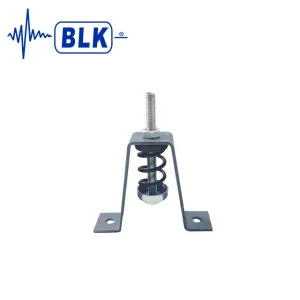
Primary Industrial Vibration Isolation Series
Explore our certified ISO 9001 and RoHS compliant anti-vibration solutions engineered for heavy equipment, pump supports, optical platforms, and HVAC installations.
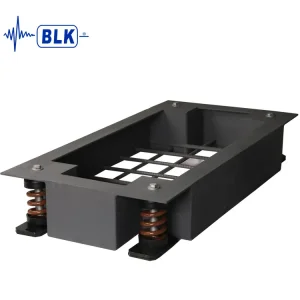
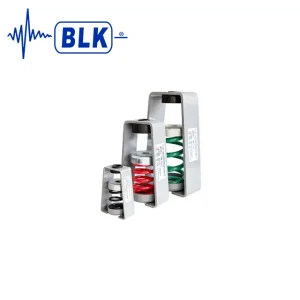
High-Quality CPB type Inertia Bases & Pump Supports Manufacturers, Manufacturer
View Technical Details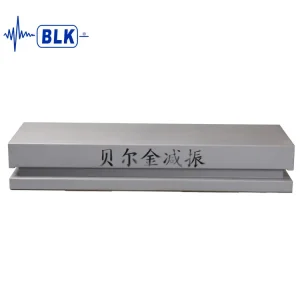
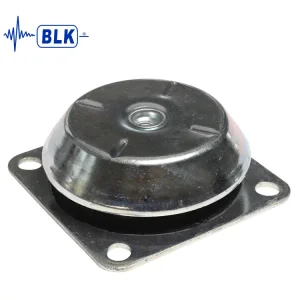
High-Quality BK-MT Type Matrix Anti-vibration Mount Manufacturers, Manufacturer
View Technical Details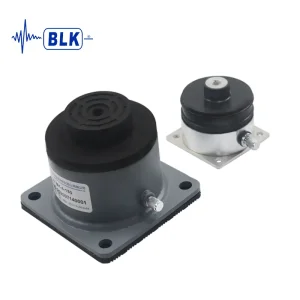

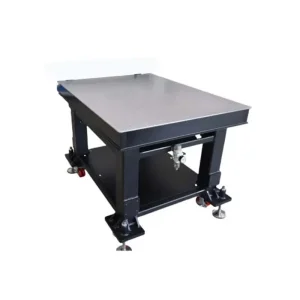
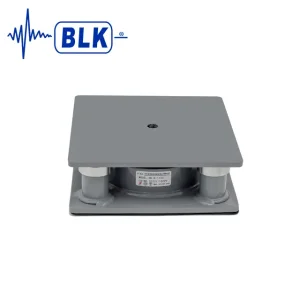
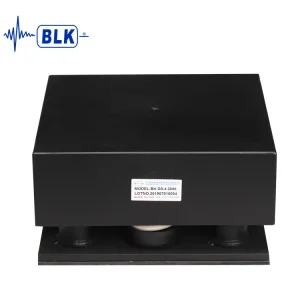
High-Quality BK-DT Type Low-Frequency High-Damping Optical Vibration Isolation Platform Factory, Manufacturer
View Technical Details
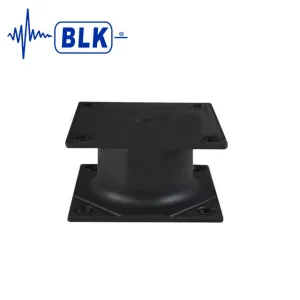
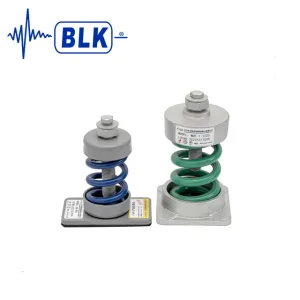
Executive Overview: Evolution of RoHS Compliant Elastomer Damping Systems
In modern industrial manufacturing, structural resonance, harmonic distortion, and uncontrolled kinetic energy represent multi-million dollar liabilities for precision equipment operators, HVAC contractors, and automotive OEMs.
Historically, industrial procurement teams relied heavily on low-cost natural rubber and synthetic mounts formulated with traditional chemical plasticizers and heavy metal stabilizers. However, stringent global mandates—specifically EU RoHS 3 Directive (2015/863) and REACH SVHC (Substances of Very High Concern)—have permanently reshaped the global elastomer manufacturing ecosystem.
Today, sourcing from a authentic low price RoHS compliant rubber damper factory is no longer simply an exercise in unit-cost minimization. It requires a strategic audit of raw polymer chemistry, non-hazardous vulcanization systems, precise dynamic stiffness characteristics, and life-cycle durability under dynamic dynamic stress loading. Direct factory direct collaboration empowers international buyers to bridge the technical gap between stringent environmental compliance and cost-efficient mechanical isolation.
Material Science & Elastomer Chemistry: Eliminating Hazardous Compounds
Formulating RoHS-compliant rubber dampers requires rigorous material substitution without degrading the mechanical properties required for efficient vibration isolation, such as tensile strength, compression set resistance, tear resistance, and loss factor (tan δ).
Phthalate-Free Plasticizers
Traditional elastomers utilized DEHP, BBP, DBP, and DIBP plasticizers to optimize flexibility. RoHS compliant factories utilize high-molecular-weight eco-ester plasticizers that maintain elastomer elasticity across extreme operational temperature ranges (-40°C to +120°C).
Heavy Metal-Free Vulcanization
Legacy rubber compounding relied on lead oxide (PbO) or cadmium complexes for vulcanization acceleration. Advanced eco-factories replace heavy metals with bio-compatible zinc oxide systems and eco-friendly organic accelerators, ensuring zero lead, cadmium, or hexavalent chromium leaching.
Halogen-Free Flame Retardants
Polyether and polyurethane dampers requiring fire-retardant properties (UL 94-V0) now eliminate polybrominated biphenyls (PBB) and polybrominated diphenyl ethers (PBDE), utilizing aluminum trihydrate (ATH) and phosphorus-based eco-retardants instead.
| Polymer Base Type | RoHS Compliance Status | Loss Factor (tan δ) | Dynamic/Static Ratio (Kd/Ks) | Primary Industrial Application |
|---|---|---|---|---|
| Natural Rubber (NR) | Fully Certified (Eco-compounded) | 0.05 – 0.15 | 1.1 – 1.3 | HVAC Compressors, Low Frequency Isolators |
| EPDM Rubber | Fully Certified (Phthalate-Free) | 0.10 – 0.25 | 1.3 – 1.6 | Outdoor Power Transformers, Marine Engine Mounts |
| Nitrile (NBR) | Fully Certified (Lead-Free) | 0.08 – 0.20 | 1.2 – 1.5 | Oil-Resistant Industrial Buffers, Hydraulic Systems |
| Silicone Rubber (VMQ) | Fully Certified (Food/Medical Grade) | 0.15 – 0.35 | 1.1 – 1.4 | Semiconductor Cleanrooms, Medical Centrifuges |
Global Procurement Strategies: Optimizing Total Cost of Ownership (TCO)
When international procurement officers search for a low price RoHS compliant rubber damper factory, they must evaluate the complete balance between initial unit purchasing price and long-term Total Cost of Ownership (TCO). Inexpensive, non-compliant dampers from unverified suppliers often result in premature fatigue, chemical off-gassing, unexpected equipment downtime, and catastrophic regulatory fines during customs inspections in North America and Europe.
Customs Cleared Eco-Compliance
Every shipment from certified direct factories includes XRF (X-Ray Fluorescence) screening reports and full GC-MS chemical analysis certification, preventing expensive port rejections and legal liability under EU/US environmental customs enforcement.
Finite Element Analysis (FEA) Modeling
Direct factory engineering teams leverage Non-Linear FEA to simulate strain distribution, dynamic load compression curves, and fatigue limits prior to tooling, cutting tooling lead times and mold rework expenses by up to 60%.
Tier-1 Direct OEM Cost Structure
By eliminating third-party trading intermediaries, global supply chain buyers secure direct-factory pricing, dynamic volume tier discounts, and customized OEM metal-to-rubber bonding solutions at highly competitive price points.
Macro-Industry Applications & Engineered Solutions
Precision-engineered RoHS rubber dampers fulfill critical vibration isolation roles across diverse high-reliability industrial sectors.
1. Automotive NVH & EV Powertrains
Electric vehicles demand whisper-quiet cabin acoustics. RoHS compliant EPDM and silicone subframe mounts isolate high-frequency electromagnetic whine from electric motors, inverter drives, and battery cooling pumps while adhering to automotive indoor air quality standards (VOC compliance).
2. HVAC Systems & Commercial Refrigeration
Chillers, cooling towers, and variable refrigerant flow (VRF) units generate persistent low-frequency tonal noise. Matrix anti-vibration mounts and rubber buffer blocks prevent structural resonance from propagating through concrete building frames.
3. Precision Semiconductor & Optical Metrology
Sub-micron wafer inspection platforms require low-outgassing, ultra-cleanroom compliant rubber damping mounts. Specially vulcanized silicone and fluoroelastomer dampers eliminate volatile silicone species that could fog micro-lithography optics.
4. Power Generation & Transformers
Heavy electrical equipment requires robust shock mounts capable of supporting multi-ton static loads while absorbing transient physical shocks during transport, seismic events, or high-amp short-circuit mechanical surges.
Localized Engineering Support & Quality Assurance Framework
Partnering with a world-class rubber damper factory provides international clients with seamless integration support from initial engineering drawings to final site installation guidance.
Vibration Audit
On-site or simulated spectrum analysis measuring disturbing frequencies (Hz) and required deflection.
Elastomer Selection
Matching environmental conditions (ozone, oil, temp) with a 100% RoHS 3 compliant polymer compound formulation.
FEA & Tooling
Rapid prototype compression tooling and non-linear stress analysis to guarantee performance margins.
Batch Testing
100% dynamic stiffness verification, salt-spray anti-corrosion coating testing, and XRF heavy metal screening.
Global Logistics
JIT delivery with complete Certificate of Analysis (CoA) documentation for rapid customs clearance.
Technology Roadmap & Industry Future Horizons (2025–2030)
The industrial damping sector is undergoing a rapid transition toward active monitoring, smart materials, and circular bio-based polymer networks. Advanced direct factories are actively investing in next-generation R&D pipelines:
Smart IoT-Integrated Dampers
Embedding miniature piezoelectric or MEMS sensors directly inside vulcanized rubber structures enables real-time structural health telemetry, continuous dynamic stress logging, and predictive maintenance alerts before fatigue failure occurs.
Bio-Based & Recyclable TPE/TPU
Transitioning from synthetic petroleum-derived monomers to bio-based elastomers derived from agricultural waste, coupled with fully recyclable Thermoplastic Elastomers (TPE) that meet zero-landfill industrial mandates without loss of damping factor.
Nanocomposite Graphene Enhancement
Incorporating functionalized graphene and carbon nanotubes into rubber compounds dramatically improves thermal conductivity—allowing dampers in high-speed machinery to dissipate internal heat buildup caused by rapid hysteresis losses.
Frequently Asked Questions: Technical Procurement & Compliance Guide
Detailed engineering answers to assist technical buyers, acoustic consultants, and quality assurance engineers.
Expanded Low Price RoHS Compliant Product Catalog
Explore our complete range of specialized vibration isolators, spring hangers, and rubber buffer blocks with direct factory support.