
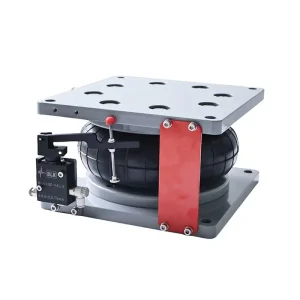
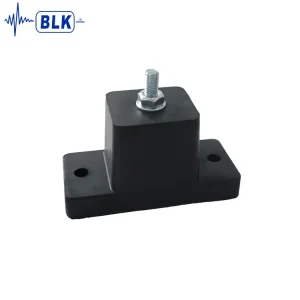
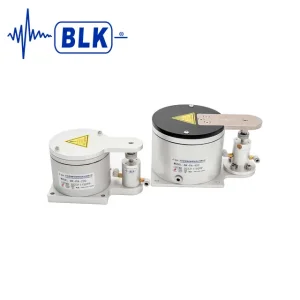
Featured Precision Vibration Isolation Products (Series I)


Executive Technical Summary: Industrial Elastomeric Vibration Damping
In modern industrial facility engineering, structural dynamics, mechanical acoustics, and precision equipment stability depend heavily on high-performance elastomeric isolators. Neoprene Vibration Isolation Pads stand as an indispensable engineered solution designed to suppress high-frequency vibration transmission, mitigate structure-borne noise, and absorb shock impact from rotating and reciprocating machinery.
As a leading ISO 9001:2015 certified manufacturer specializing in advanced vibration control systems, our facility integrates material science, polymer compounding, finite element analysis (FEA), and high-precision vulcanization molding. This whitepaper provides engineering consultants, procurement executives, acoustic specialists, and plant managers with an authoritative, in-depth evaluation of neoprene pad selection, dynamic stiffness properties, factory cost structures, and global application engineering.
Polymer Engineering: Synthetic Chloroprene Rubber Dynamics
Viscoelastic Mechanics
Neoprene, chemically known as polychloroprene (CR), is a synthetic elastomer engineered via the polymerization of chloroprene. Unlike standard natural rubber or low-grade nitrile compounds, premium neoprene exhibits exceptional viscoelastic properties. When subjected to cyclic dynamic loads from HVAC equipment or heavy press machinery, neoprene converts kinetic energy into internal thermal energy through molecular friction, providing intrinsic mechanical damping without premature mechanical fatigue.
Dynamic vs. Static Stiffness Ratio ($K_d / K_s$)
A critical parameter in vibration pad engineering is the Dynamic Stiffness Ratio ($K_d / K_s$). Standard low-cost rubber compounds often display high dynamic stiffening ($K_d / K_s > 2.0$), which shifts the natural frequency ($f_n$) of the isolator higher under operating conditions, leading to unexpected vibration transmission. Factory-engineered neoprene isolation pads maintain a tight, predictable $K_d / K_s$ ratio between 1.25 and 1.45 across a broad temperature range (-20°C to +90°C).
f_n = (1 / (2 * π)) * √ ( K_d / m ) = 4.98 / √ ( Δ_s )
Where: f_n = System Natural Frequency (Hz), K_d = Dynamic Stiffness (N/mm), m = Supported Mass (kg), Δ_s = Static Deflection (cm).
Achieving optimal vibration isolation requires the disturbing frequency ($f_d$) of the operating equipment to be at least 3.0 times higher than the isolator's natural frequency ($f_n$). At a frequency ratio ($f_d / f_n$) of 3:1, theoretical vibration transmissibility ($T$) drops below 12.5%, yielding an isolation efficiency exceeding 87.5%. For high-frequency equipment operating above 1,800 RPM (30 Hz), neoprene isolation pads deliver isolation efficiencies up to 98%.
Structural Geometry: Waffle, Ribbed, and Composite Steel-Neoprene Sandwich Pads
Elastomeric pads rely on shape factor and surface geometry to allow Poisson bulge effect under compressive loads. Unpatterned solid rubber blocks exhibit excessive lateral strain stiffness, severely limiting deflection capability. Factory-manufactured isolation pads utilize optimized surface topography to maximize deflection while retaining structural stability.
| Pad Construction Type | Surface Profile | Max Load Capacity (PSI) | Static Deflection Range | Primary Industrial Application |
|---|---|---|---|---|
| Waffle Pattern Pad | Cross-Hatch Molded Grid | 50 - 120 PSI | 0.08" - 0.15" | Air Handlers, Pumps, Small Compressors, Laboratory Equipment |
| Perpendicular Ribbed Pad | Alternating Top/Bottom Ribs | 60 - 150 PSI | 0.10" - 0.18" | HVAC Chillers, Transformers, Gensets, Electrical Switchgear |
| Steel-Laminated Composite | Neoprene-Steel Plate Sandwich | 150 - 500 PSI | 0.20" - 0.50" | Stamping Presses, Heavy Forging Equipment, High-Rise Floating Floors |
| Cork-Neoprene Combination | Granulated Cork Matrix + CR | 40 - 100 PSI | 0.05" - 0.12" | Precision Optical Benches, CMM Machines, Acoustic Retrofits |
China Manufacturing Advantage: Integrated OEM/ODM Supply Chain
Sourcing industrial neoprene vibration isolation pads directly from our state-of-the-art manufacturing facility in Kunshan, China provides global enterprises, distributors, and engineering contractors with unmatched competitive, logistical, and technical advantages.
1. Raw Material Procurement & Formulation Control
Our factory maintains strategic partnerships with top-tier polymer manufacturers (such as Denka and DuPont chloroprene resins). By controlling compounding directly in-house with automated internal mixers and roll mills, we guarantee consistent polymer purity, precise Shore A durometer control (40 to 70 Durometer ±3), and absolute batch-to-batch structural integrity.
2. Automated Compression Molding Capabilities
Equipped with multi-cavity vacuum hydraulic vulcanizing presses ranging from 200 to 1,000 tons, our factory produces over 100,000 units of neoprene pads and isolator mounts monthly. High-speed multi-cavity tooling significantly slashes unit manufacturing cycles while ensuring high dimensional tolerance compliance according to ISO 3302-1 Class M2 standards.
3. Tooling Flexibility & Custom OEM Engineering
With an in-house CNC mold machine shop, custom die shapes, non-standard thickness layering, metal insert bonding, and specialized grid embossing can be engineered from concept CAD drawing to physical sample prototyping in as little as 3 to 5 business days.
B2B Pricing Economics: Wholesale Factory Price Breakdown & TCO Analysis
For international procurement managers, balancing unit acquisition cost against Total Cost of Ownership (TCO) is crucial. Importing direct from our Chinese factory eliminates multi-tier distributor markups, reducing unit acquisition costs by 35% to 55% compared to Western regional brands (e.g., Mason Industries, Kinetics Noise Control, Fabreeka), while matching or exceeding technical compliance specs.
Standard Unit Pricing Tiers
Factory direct prices vary based on dimensions, durometer rating, and volume:
- Standard Waffle Pads (18" x 18" x 3/4"): $8.50 - $14.20 / sheet (Bulk container loads)
- Cut-to-Size Pads (4" x 4" x 3/8" Pre-cut): $0.45 - $1.10 / pc
- Steel-Laminated Heavy Duty Sandwich Pads: $12.00 - $35.00 / pc depending on plate thickness
Supply Chain Logistics & Packaging
We offer full export packaging options including shrink-wrapped ocean-worthy wooden pallets, customized retail barcode labeling, anti-UV protective bagging, and FOB/CIF/DDP incoterms to facilitate smooth customs clearance at European, North American, and Middle Eastern ports.
Localized Field Application Protocols & Industry Specific Scenarios
Neoprene vibration isolation pads perform critical dampening functions across diverse engineering environments. Understanding specific field conditions ensures proper pad selection:
1. HVAC & Commercial Building Plant Rooms
Placed beneath rooftop chillers, air handling units (AHUs), cooling towers, and centrifugal water pumps, ribbed neoprene pads interrupt structure-borne sound paths into tenant spaces. Essential for satisfying ASHRAE Chapter 48 acoustic criteria in luxury hotels, hospitals, and high-rise commercial offices.
2. Transformer Substations & Power Distribution
Dry-type and oil-filled transformers generate continuous low-frequency magnetostrictive hum at 100 Hz / 120 Hz. High-durometer (60-70 Shore A) neoprene pads attenuate low-frequency harmonics, protecting concrete pad foundations and preventing acoustic resonance through building steelwork.
3. Heavy Industrial Stamping Presses & Machinery
In automotive component manufacturing and metal forging facilities, high-impact press operations send transient shockwaves through floor slabs, damaging neighboring precision CNC tools. Steel-laminated neoprene sandwich pads dissipate transient G-force impacts, prolonging machine frame life.
4. Architectural Floating Acoustic Floors
In recording studios, performing arts centers, and luxury residential developments, continuous neoprene pad matrices or discrete pucks form the structural resilient supports for floating concrete floor slabs, achieving STC (Sound Transmission Class) ratings above 65 and IIC (Impact Insulation Class) ratings above 60.
International Standards, Testing Matrix & Compliance Assurance
All neoprene vibration isolation pads exported from our facility undergo rigorous quality assurance checking aligned with worldwide engineering standards.
| Standard / Test Designation | Test Parameters & Conditions | Factory Compliance Specification |
|---|---|---|
| ASTM D2000 / SAE J200 | Material Classification System for Rubber Products | BC/BE Grade Rubber Standard (High CR Content) |
| ASTM D395 Method B | Compression Set under Constant Deflection (22h @ 70°C) | ≤ 25% Permanent Deformation Max |
| ASTM D412 | Tensile Strength & Ultimate Elongation Testing | Tensile Strength ≥ 12.5 MPa; Elongation ≥ 350% |
| ASTM D573 | Accelerated Heat Aging (70h @ 100°C) | Hardness Change ≤ +10 Shore A; Tensile Drop ≤ 15% |
| UL 94 HB / V-0 Options | Flame Retardancy & Self-Extinguishing Capability | Passes Self-Extinguishing Requirement (Custom Compounded) |
| RoHS 3 / REACH SVHC | Environmental Hazardous Chemical Content Analysis | 100% Compliant; Free of Heavy Metals & Phthalates |
Industry Trends: Smart Isolation & Next-Gen Elastomer Innovations
1. Embedded IoT Structural Health Sensors
Emerging industrial automation trend demands continuous condition monitoring. Advanced isolators are now being paired with micro-piezoelectric sensors embedded directly inside neoprene composite structures to measure real-time dynamic loads, drift deflection, and wear aging, streaming real-time alerts to facility management platforms.
2. Bio-Based Synthetic Chloroprene Alternatives
To meet net-zero carbon goals, chemical engineering laboratories are commercializing bio-based chloroprene monomers derived from agricultural starches and recycled rubber feedstocks, reducing embodied carbon footprints by up to 40% without compromising tensile durability or damping ratios.
Frequently Asked Questions (Technical & Procurement FAQ)
Q1: What is the primary difference between Neoprene pads and Natural Rubber pads?
Q2: How do I select the proper Durometer (Hardness) for my neoprene isolation pads?
Q3: How does temperature affect neoprene pad performance?
Q4: Can neoprene vibration pads be stacked to increase static deflection?
Q5: What lead time should be expected for bulk container OEM orders from your factory?
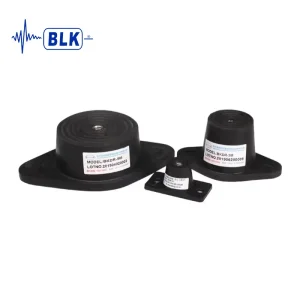
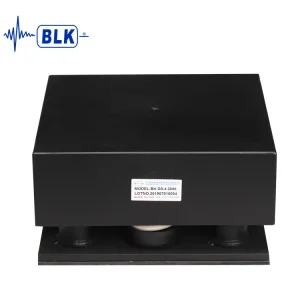
Featured Precision Vibration Isolation Products (Series II)





Request Factory Direct Quotation & Engineering Assistance
Need precise load calculations, CAD drawings, custom durometer compounding, or bulk wholesale container pricing? Our application engineering team responds within 24 hours.
Contact Factory Engineers Now